« We demonstrate every day that ASM can be integrated into responsible supply chains »
On the occasion of the LBMA and World Gold Council Sustainability & Responsible Sourcing Summit, held in London from 17 to 19 June 2026, where OCIM is sponsoring the lunch on 19 June, Ivan Salas, Country Manager of Soleil Metals, OCIM’s Peruvian subsidiary, discusses the field reality of responsible gold in Peru. He is in charge of the recruitment of miners, the running of the processing plants and the day-to-day work that turns responsible gold from a commitment into a daily operation.
This year’s Summit runs under the theme “From Dialogue to Action”. You lead Soleil Metals’ operations in Peru, as close as it gets to the miners and the processing plants. What does that action actually look like on the ground?
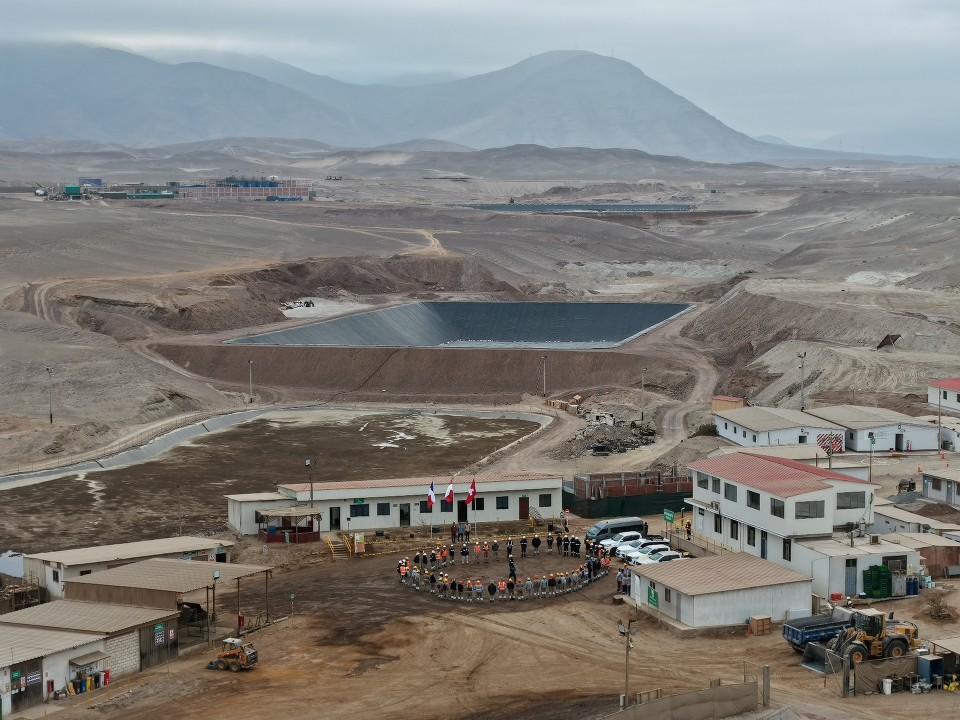
For us, moving from dialogue to action means being present on the ground and turning commitments into concrete results. We don’t work from an office in Lima, but alongside the miners, in the areas where the gold is produced.
Action translates into traceability, technical assistance, formalization, access to international markets and higher environmental standards. Every ton of ore we process represents an opportunity to demonstrate that artisanal and small-scale mining can be integrated into responsible and transparent supply chains.
A miner can often sell his gold at the same price, or even more, to an informal buyer who asks for no documents at all. Why does he choose Soleil Metals?
He chooses us, because we offer something more valuable than a simple transaction: we offer a long-term relationship.
Miners who work with Soleil gain access to international markets, transparent valuation processes, reliable payments, technical support and a clear path toward formalization. Additionally, they know that their production can reach refineries and markets that recognize the value of responsibly sourced gold. Price is important, but trust, stability, and access to the future add a huge value.
Trust is slow to build and quick to lose. What makes a miner stay and bring others with him?
Trust is earned by keeping our word every day. Our mining partners know they will receive fair treatment, clear rules and transparent processes. They see that we invest in long-term relationships and that we honor our commitments even in complex situations. When a miner recommends SoleilMetals to another, he doesn’t just recommend a plant, but an experience based on respect, transparency and trust.
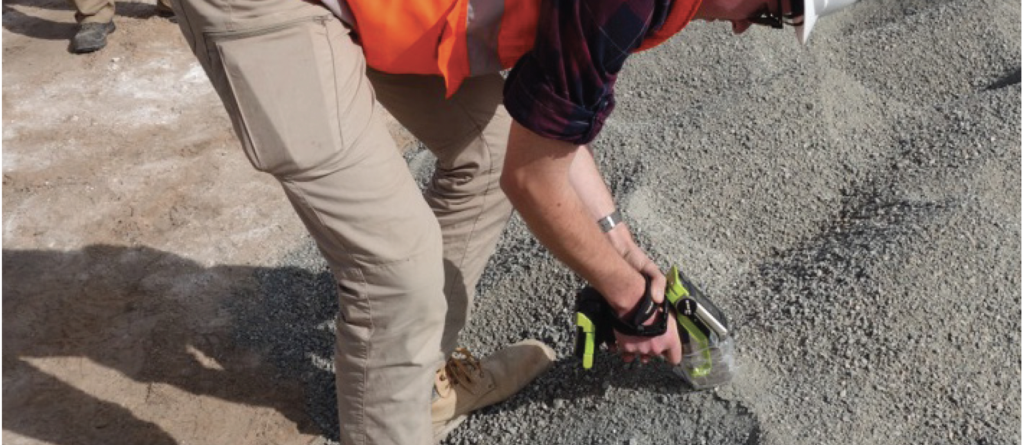
Mercury runs through the entire Summit programme. Artisanal processing often relies on mercury amalgamation, yours does not. What does that change, concretely, on a Soleil Metals site?
The elimination of mercury represents a profound change for both people and the environment. At our plants, we use industrial processes that allow us to recover gold without resorting to mercury amalgamation. This significantly reduces health risks for workers, prevents soil and water contamination and improves overall operating conditions. More importantly, it demonstrates that it is possible to increase productivity and metallurgical recovery using cleaner and more responsible technologies.
Today, Soleil Metals processes ore from independent miners. Acquiring your own concessions will extend the model upstream, all the way to extraction. What will that change and why is it the logical next step?
Currently, Soleil Metals processes ore from independent miners. Acquiring its own mining concessions will extend the model to the initial stage of the supply chain, all the way back to extraction. What changes will this bring about? It represents an opportunity to demonstrate that responsible mining can be managed comprehensively from the source.
Our goal is not to replace small-scale producers, but to develop model operations where we can implement the highest environmental, social, safety and traceability standards from extraction through export. This will allow us to generate practical evidence that a fully responsible and verifiable supply chain is possible.
If you had one message for the banks, refiners and institutions gathered in London this week, the ones who decide which gold enters the formal market, what would it be?
My message would be simple: artisanal and small-scale mining should not be viewed solely as a risk, but as an opportunity. Millions of people around the world depend on this activity. If we want more responsible supply chains, we must invest in inclusion, traceability and market access, not in exclusion.
When institutions, banks, refiners and producers work together, it is possible to transform a historically informal activity into a powerful tool for economic, social and environmental development. The future of responsible gold lies in integrating small-scale mining, not leaving it behind.