« Compliance is an opportunity to transform small-scale mining »
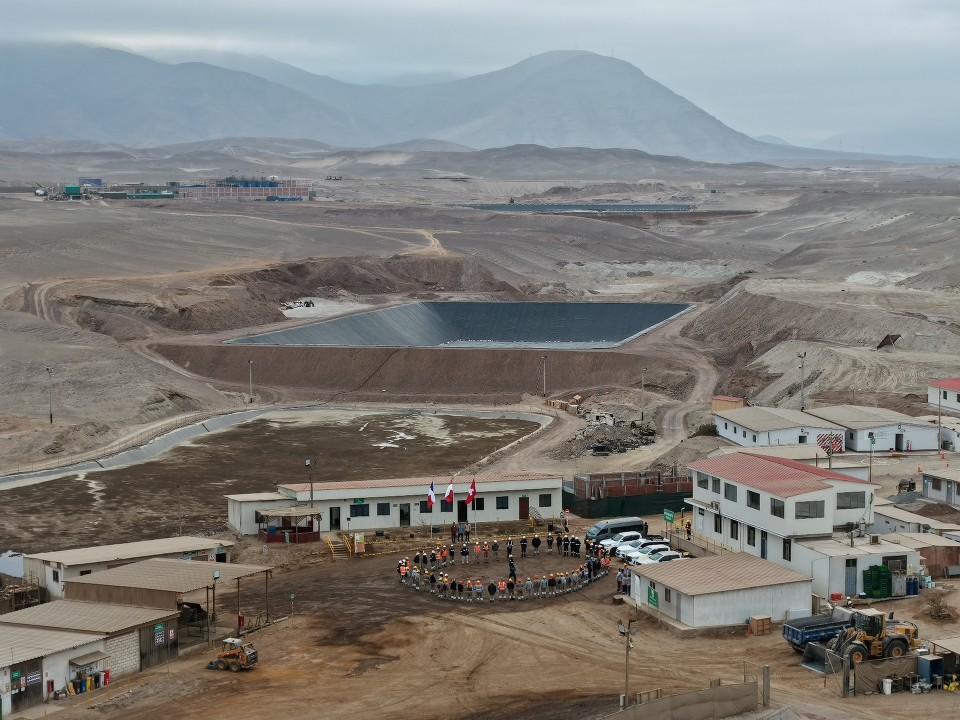
Twenty-two onboarding documents, upstream KYC files, on-site audits, scientific ore traceability…. Applying banking-grade compliance to artisanal miners is a different exercise from applying it to institutional counterparts. Based in Lima, Oscar Pezo is Head of Compliance at Soleil Metals, OCIM’s Peruvian subsidiary. He runs that exercise daily across the group’s small-scale suppliers in the Arequipa region. What does it look like in practice?
You are Head of Compliance at Soleil Metals. What is your background and what led you to this role?
I am an Industrial Engineer by training. My early career in the financial sector and the Peruvian capital markets gave me direct exposure to the development of corporate governance and compliance regulations. Later, as a director of a mining exploration company, I witnessed the inclusion of the mining sector in anti-money-laundering regulations, which sharpened my understanding of due diligence in this industry. Over the past few years, I have come to see compliance and good governance as levers to generate value and transform the sector, particularly in small-scale mining. This is the experience I bring to Soleil Metals today, where the work is having a tangible impact on the artisanal mining segment.
Compliance at OCIM is split between Geneva, where the group framework is set, and Lima, where it is applied in the field. What is your role from Lima and how do the two teams work together on a day-to-day basis?
From Lima, the Compliance function works hand in hand with the Sales team to identify both the risks attached to a given operation and the opportunities to support a miner’s development. The exchange runs both ways: Sales internalizes the compliance criteria, while Compliance accumulates field knowledge that feeds back into the due-diligence process. Compliance also supports the Soleil Metals certification processes in the field. Together with the General Manager and the Sales Manager, we design programs that translate directly into improvements at our suppliers’ operations.
Onboarding an artisanal miner requires 22 documents. Specifically, what does that mean for a miner who has never interacted with a formal institution?
Requiring up to 22 documents is not a limitation. Over the years, I have seen exceptional professionalism among the great majority of the miners we work with. They are committed to responsible mining practices and they have welcomed our offer of fair compensation and access to certification processes that support their growth.
How do you build trust with miners who often have good reason to be wary of outside operators?
For a small-scale miner, the regular on-site presence of our Sales team and General Manager is what builds a durable relationship. Addressing their concerns, supporting their growth and engaging directly with their operations is what makes our requirements legible. They may seem demanding, but they all stem from a shared understanding of mining and of its long-term impact on the miner’s community and family.
xTrace makes it possible to scientifically guarantee that ore has not been substituted between the mine and the processing plant. How does that system integrate into your day-to-day work with suppliers? What exactly happens when xTrace detects an anomaly?
xTrace is still being rolled out, but because we are involving the miner directly in its deployment, we expect the outcome to be the miner’s integration into a qualified market. The data collected through xTrace has a broad range of applications. When the ore deviates from the producer’s initial characterization, we collect additional information, both to clarify the situation with the miner and to verify the full traceability of the lot.
Soleil Metals recently obtained Step 1 of the Swiss Better Gold certification. What did that specifically demand from SM’s team on the ground? What does the ongoing Step 2 accreditation process imply?
Step 2 is both a commitment and a significant challenge for Soleil Metals. The impact will be felt not only in the miner’s production activities but also in their community and family. It means rolling out improvement plans and technical advisory work, both of which make operations safer and accelerate formalization. Through site visits and training programs, miners gain access to tools that change how they operate day-to-day. We also expect new financing opportunities to open up, in a sector where access to credit is currently very limited. Our challenge lies in the growing number of miners we aim to bring into Step 2, but our commitment, like Swiss Better Gold’s, is to advance steadily. On our side, we are scaling up the team to cover more sites within shorter cycles and we expect significant progress in the coming months.
If you were to deploy this model in a new region or country tomorrow, what is the first thing you would do differently from what you did in Arequipa?
I don’t think significant changes are necessary. Wherever there are small-scale miners willing to engage with us and to operate within the legal framework, the model is viable. We are convinced that miners seek what is best for their communities and their families. What may differ from one country to another is the baseline, which is what governments or other sector actors have already put in place. Our initiatives, however, develop out of the direct relationship we build with the miners themselves.