Paramaribo Seminar: why processing plants are the key to eliminating mercury in the Guiana Shield
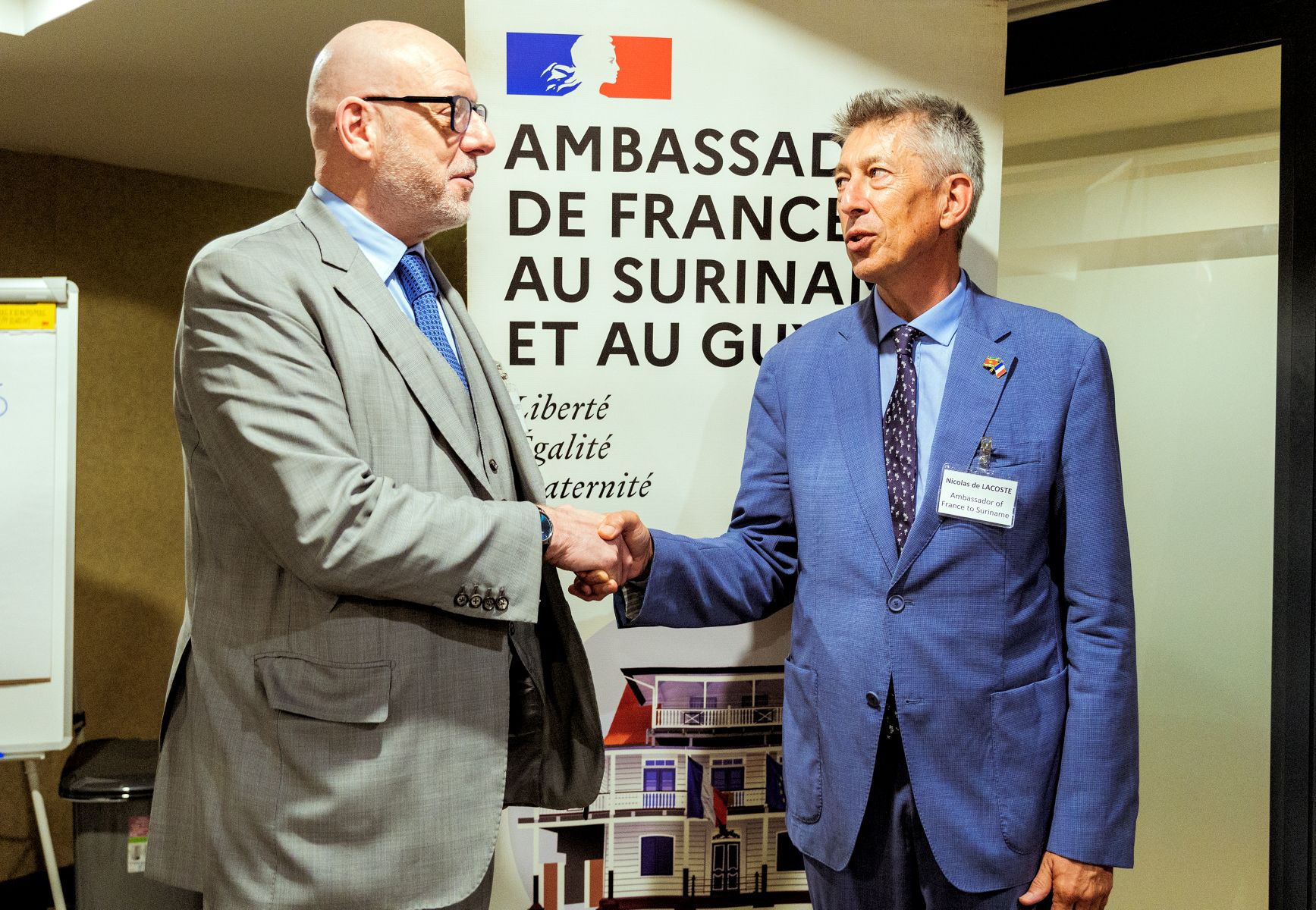
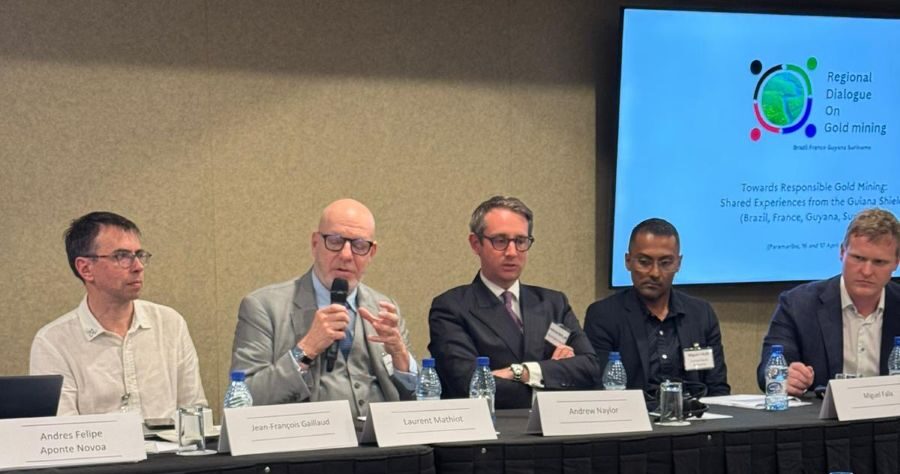
On April 17, 2026, Laurent Mathiot, Chairman and CEO of OCIM Group, took part in the seminar “Towards Responsible Gold Mining: Shared Experiences from the Guiana Shield”, organised by the French Embassy in Suriname. The event brought together governments, institutions and operators from across the Guiana Shield region around a shared question: how to develop a responsible, traceable and accountable gold sector in this part of the world ?
Round Table 4 : « Developing an Accountable and Traceable Gold Sector »
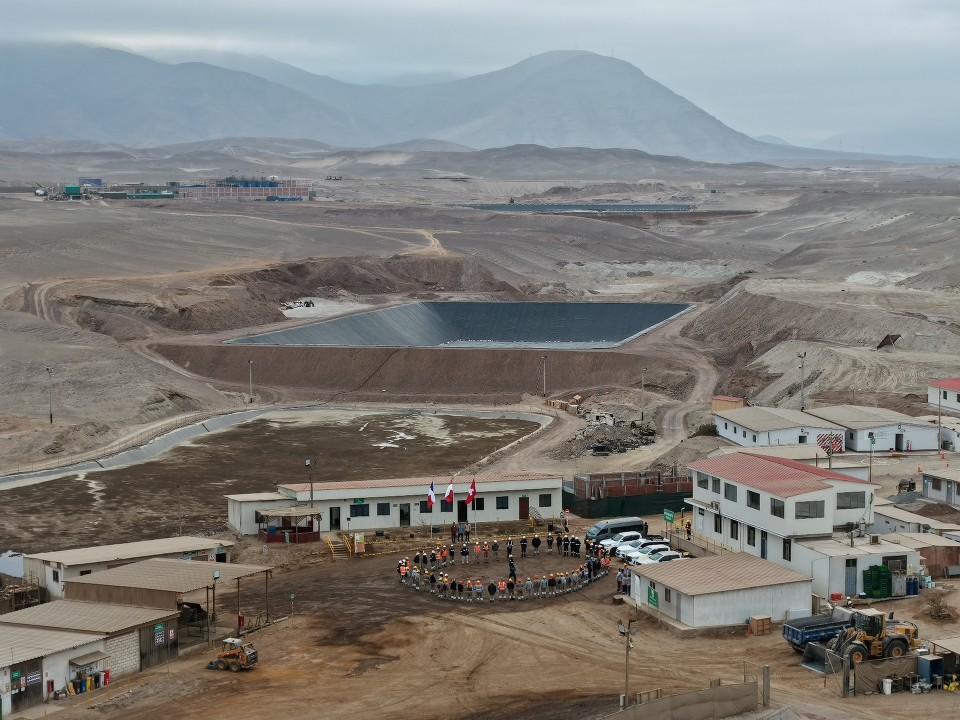
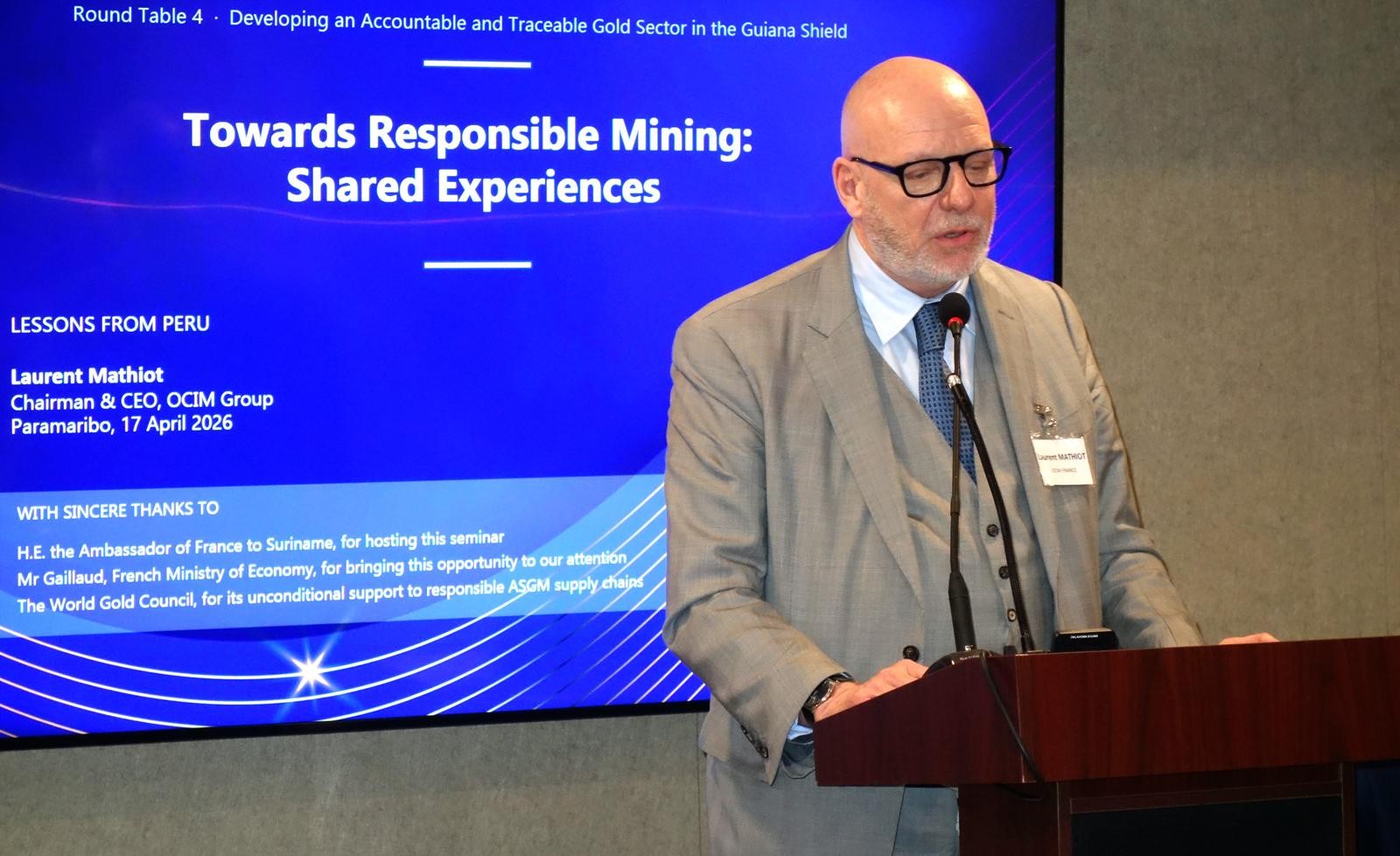
Laurent Mathiot spoke as part of Round Table 4, dedicated to building accountability and traceability in the regional gold sector. Drawing on OCIM’s operational experience in Peru through its subsidiary Soleil Metals, he presented a concrete model for integrating artisanal and small-scale miners into institutional supply chains from upstream KYC to physical chain of custody and technological traceability.
Mercury: the number one challenge
This challenge was also central to Laurent Mathiot’s contribution: responsible gold production in the Guiana Shield is possible, but it starts at source. At Soleil Metals in Peru, two mechanisms work in combination. First, every miner signs a sworn declaration of mercury-free extraction at each transaction, a contractual commitment that is legally binding. Second, all ore delivered to the processing plant is tested on arrival: if mercury is detected, the ore is refused. The economic consequence is immediate and direct. Together, these two mechanisms create a genuine incentive structure: miners who use mercury cannot sell their ore. Over time, this makes mercury elimination a commercial necessity.
The processing plant as the cornerstone of a responsible value chain
A central argument of OCIM’s presentation was therefore the structural role of processing plants in making responsible gold possible. Without an industrial mid-chain operator as a mandatory passage point, there is no regulatory chokepoint, no chain of custody and no viable architecture for origin verification. Processing plants also make formalisation financially accessible for artisanal and small-scale miners: mercury-free processing achieves gold recovery rates above 90%, compared to 30–40% with mercury amalgamation, generating the additional revenue that enables miners to absorb the cost of compliance.
Beyond mercury elimination, responsible processing plants also operate closed-circuit cyanide systems: cyanide is used in the gold recovery process but contained and treated on site, never discharged into the environment. This stands in direct contrast to informal processing practices, where chemical waste is routinely released into waterways and soils.
“Mercury is the number one environmental challenge in artisanal and small-scale gold mining in the Guiana Shield. More than a regulatory ban, addressing it requires requires an operator who has built the verification mechanisms on the ground and assumes the reputational consequences of its actions. If standards define the objective, the operator is what makes it real,” said Laurent Mathiot.
A message for the Guiana Shield
Responsible gold production in the Guiana Shield is not a distant ambition. The region has the resources, the institutional actors and the political will. What it needs is the architecture and the operators willing to build it.
OCIM thanks H.E. Nicolas de Bouillane de Lacoste, Ambassador of France to Suriname, for hosting this seminar and for creating a space for such a broad coalition of regional stakeholders to work through these questions together.